
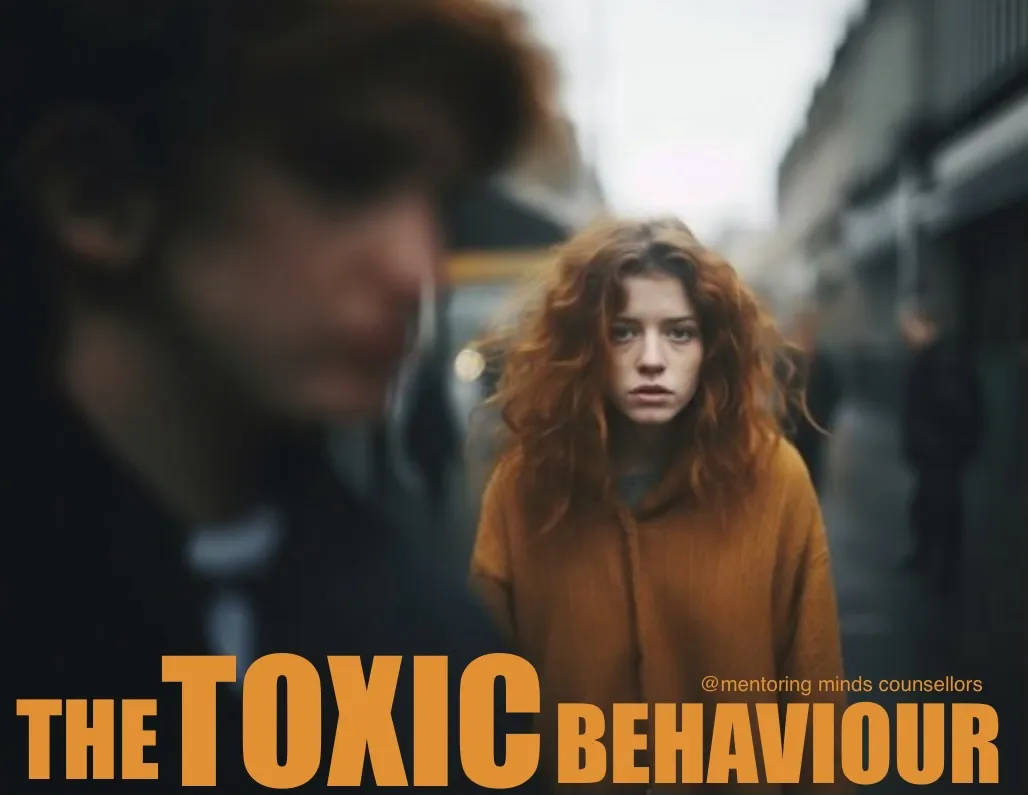
We often hear the word toxic used casually toxic people, toxic relationships, toxic workplaces. But toxic behaviour is not just about someone being difficult or having a bad day. It’s a pattern of actions that slowly drain emotional energy, damage self-worth, and create an environment where fear, guilt, or control replaces safety and respect.
The truth many people avoid is this: toxic behaviour isn’t always intentional, and it isn’t limited to “bad people.” Sometimes, good people act in toxic ways because of unhealed pain, insecurity, or learned survival patterns.
What Is Toxic Behaviour?
Toxic behaviour refers to repeated actions that harm others emotionally, psychologically, or socially often without accountability. These behaviours create imbalance in relationships, where one person feels constantly confused, blamed, controlled, or emotionally exhausted.
Unlike healthy conflict, toxic behaviour doesn’t lead to resolution or growth. It leads to power struggles, emotional shutdown, or silent suffering.
What can be the Common Signs of Toxic Behaviour?
Toxic behaviour doesn’t always look dramatic. Often, it’s subtle and slow:
- Constant criticism disguised as “concern”
- Manipulation through guilt, fear, or obligation
- Refusal to take responsibility or apologise
- making others doubt their own reality
- Emotional inconsistency (hot and cold behaviour)
- Controlling decisions, time, or emotions of others
- Playing the victim to avoid accountability
- Dismissing feelings as “overreacting” or “too sensitive”
Over time, being around such behaviour can make a person feel small, confused, anxious, or emotionally numb.
Why Do People Become Toxic?
Toxic behaviour doesn’t appear out of nowhere. It often develops as a coping mechanism. Some common roots include:
- Unresolved childhood trauma
- Growing up in emotionally unsafe or controlling environments
- Fear of abandonment or rejection
- Low self-esteem masked by dominance or superiority
- Lack of emotional regulation skills
- Learned patterns from past relationships
- Chronic stress, insecurity, or emotional neglect
In many cases, toxicity is a defence an unhealthy way of protecting oneself from pain.
The Hard Truth: You know…Anyone Can Show Toxic Behaviour
Someone may be caring in one area of life and toxic in another. Recognising this doesn’t mean self-blame it means self-awareness, which is the first step toward change.
How Can Someone Overcome Toxic Behaviour?
Change is possible but only when there is honesty and willingness.
1. Awareness Without Justification
The first step is recognising the behaviour without excuses. Saying “I’m like this because of my past” explains behaviour, but it does not excuse it.
Growth begins when a person says:
“This behaviour hurts others, and I need to change.”
2. Taking Responsibility
Overcoming toxicity requires accountability not blaming stress, others, or circumstances. Apologising without “but” is a powerful act of maturity.
3. Learning Emotional Regulation
Many toxic reactions come from emotional overwhelm. Learning to pause, name emotions, and respond instead of react is crucial.
4. Understanding Personal Triggers
Toxic behaviour often shows up when someone feels threatened, ignored, or insecure. Identifying these triggers helps break automatic patterns.
For Those Affected by Toxic Behaviour
- You are not responsible for fixing someone else
- Understanding someone’s pain does not mean tolerating harm
- Boundaries are not punishments; they are self-respect
You can care without sacrificing your mental health.
Final Thoughts
We at Mentoring Minds Counsellors understand that Toxic behaviour is not a life sentence. It is a signal of pain, unmet needs, and emotional gaps. But awareness turns signals into opportunities for change.
Healing begins when someone chooses courage over comfort, responsibility over denial, and growth over control.
Leave a Comment