
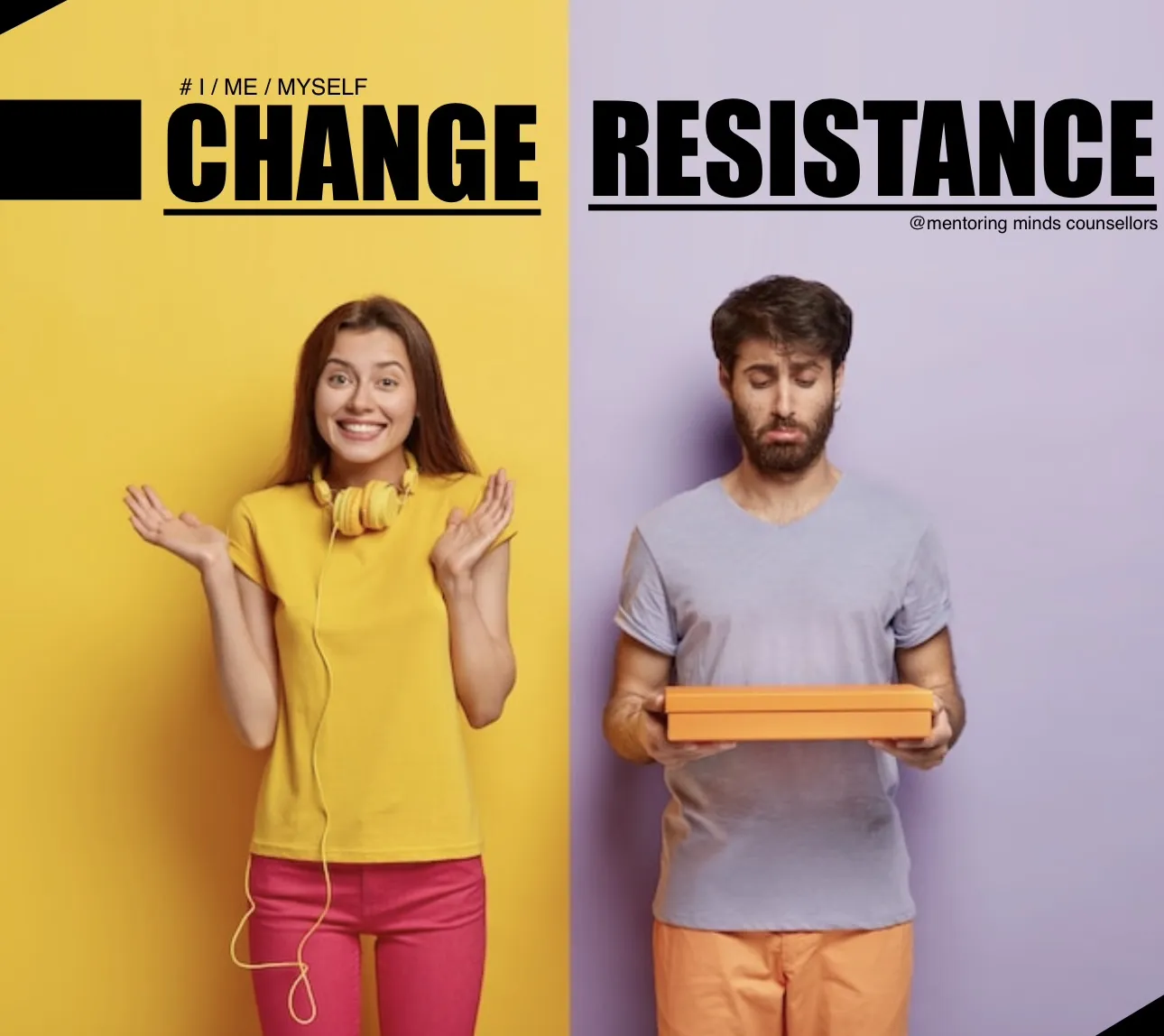
Change is often spoken about as growth, progress, or healing. Yet in real life, not everyone welcomes it. Some people quietly push against change, while others openly reject it. This resistance is not always stubbornness or arrogance it is often deeply psychological.
What Is Change Resistance?
Psychological change resistance is a pattern where a person avoids, delays, or emotionally blocks change even when that change could improve their life. This resistance can show up in habits, beliefs, relationships, work environments, and emotional growth.
For many, change feels like a threat rather than an opportunity.
Why Do Some Personalities Resist Change?
Change resistance usually develops as a protective mechanism, not a character flaw.
1. Fear of the Unknown
Change brings uncertainty. For people who rely on predictability to feel safe, even positive change can feel destabilizing. The mind asks, “What if this makes things worse?”
2. Emotional Comfort in Familiar Pain
Some individuals prefer known discomfort over unfamiliar peace. They may think:
- “At least I know how this feels.”
- “I’ve survived this far; why risk more?”
This creates emotional stagnation.
3. Control-Oriented Personality
Change often means losing control. Control-oriented individuals may resist change because it forces them to adapt, depend on others, or face unpredictability.
4. Identity Attachment
For some, change threatens identity:
- “If I change, who will I become?”
- “If I heal, what happens to the version of me that survived?”
Growth can feel like self-betrayal.
5. Past Trauma or Failure
When previous attempts at change led to pain, rejection, or failure, the brain learns to associate change with danger.
Common Change-Resistant Personality Patterns
1. The Rigid Thinker
- Strong beliefs
- “This is how it’s always been”
- Difficulty adapting to new perspectives
Rigidity often hides fear of losing certainty.
2. The Avoidant Personality
- Delays decisions
- Avoids emotional conversations
- Escapes situations requiring growth
Avoidance protects them from emotional overwhelm.
3. The Defensive Personality
- Rejects feedback
- Takes suggestions as criticism
- Feels attacked by change
Defense masks vulnerability.
4. The Nostalgia-Driven Personality
- Lives in the past
- Romanticizes “how things were”
- Resists modern ideas or emotional evolution
The past feels safer than an unknown future.
5. The Control Seeker
- Needs things done their way
- Struggles with flexibility
- Fears losing authority or structure
Control provides emotional security.
How Change Resistance Affects Relationships?
Change-resistant personalities can:
- Stall relationship growth
- Resist emotional intimacy
- Repeat unhealthy patterns
- Create frustration in partners, family, or workplaces
Often, others grow while they remain emotionally stuck leading to emotional distance.
Can Change-Resistant People Ever Change?
Yes but only when safety replaces fear.
People rarely change because they are pressured.
They change when:
- They feel emotionally safe
- They feel understood, not judged
- They recognize that staying the same hurts more than changing
Change begins when resistance is met with compassion.
How Can Someone Overcome Change Resistance?
1. Acknowledge Fear Without Shame
Resistance is not weakness. Naming fear reduces its power.
2. Start With Micro-Changes
Small, manageable changes feel less threatening than big transformations.
3. Separate Identity From Behavior
You are not your habits. Changing behavior does not erase who you are.
4. Build Emotional Safety
Therapy, journaling, or trusted conversations help soften resistance.
5. Reframe Change as Self-Protection
Change is not losing yourself it is protecting your future self.
If You Love Someone Who Resists Change
- Avoid forcing growth
- Set boundaries instead of ultimatums
- Focus on your own growth
- Accept that change cannot be done for someone
Sometimes the hardest truth is this: you can invite change, but you cannot drag someone into it.
Final Thoughts
We at Mentoring Minds Counsellors understand that the Change-resistant personalities are not broken people they are often people who learned that staying the same felt safer than risking loss. Beneath resistance lies fear, grief, and survival instincts.
True transformation begins when resistance is no longer judged, but understood.
Because change doesn’t start with pressure it starts with permission.
Leave a Comment