
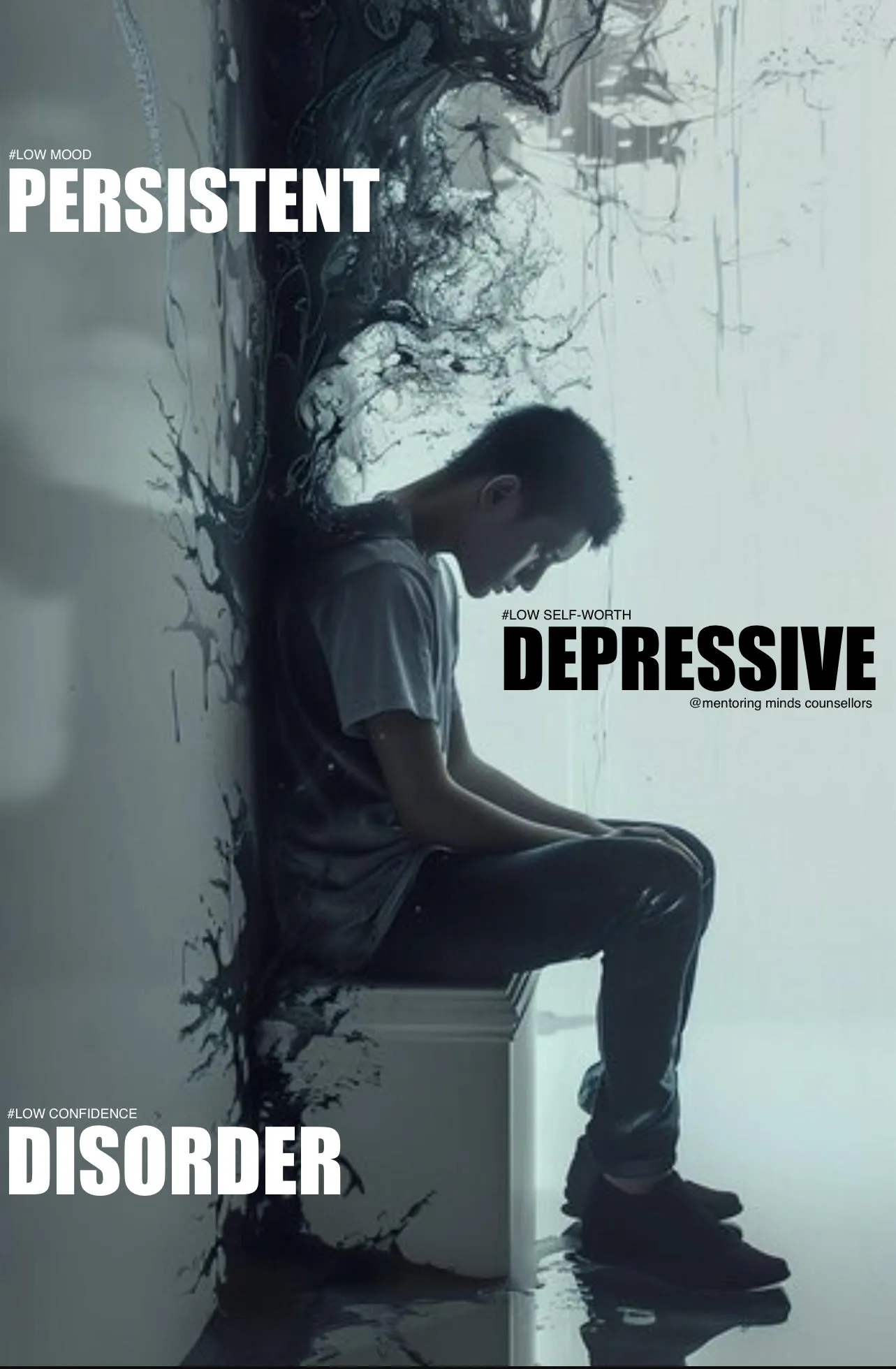
Persistent Depressive Disorder, is known as Dysthymia which is a form of depression that doesn’t always shout but it lingers for help. Unlike major depressive episodes that can feel intense and overwhelming for shorter periods, PDD is quieter, more chronic, and often stretches across years. It becomes part of a person’s everyday emotional landscape, sometimes so subtly that it’s mistaken for personality rather than a treatable condition.
What is Persistent Depressive Disorder?
Persistent Depressive Disorder is characterized by a low or depressed mood that lasts for at beyond 2 years. During this time, symptoms may not be as severe as major depression, but they are long lasting and persistent.
People with uchmight describe their experience as feeling “down” most of the time, lacking joy, or moving through life with a constant sense of heaviness. There may be brief moments of relief, but they rarely last long. Some of the common symptoms include:
- Low energy or chronic fatigue
- Poor self-esteem
- Difficulty concentrating or making decisions
- Changes in sleep
- Appetite changes
- A sense of hopelessness
Because these symptoms persist over time, many people begin to normalize them, assuming “this is just how I am.”
How Does It Impact Someone?
1. Relationships can feel strained
When someone feels consistently low, it can affect how they connect with others. They might withdraw, struggle to express emotions, or feel like a burden, which can create distance in personal relationships.
2. Motivation takes a hit
Daily tasks work, studies, even hobbies can feel exhausting. It’s not laziness; it’s the mental weight that makes even simple things feel like uphill climbs.
3. Self-image often suffers
Over time, persistent negative thoughts can shape how a person sees themselves. They may believe they’re incapable, unworthy, or stuck, reinforcing the cycle.
4. It blurs the sense of “normal”
Because PDD lasts so long, people may forget what it feels like to not be weighed down. This can delay seeking help, as the condition becomes their baseline.
5. Risk of major depression
This disorder can sometimes coexist with episodes of major depression a condition often referred to as “double depression” making things even more challenging.
What things to be kept in mind for someone going through it?
1. It’s real, even if it feels “mild”
Because the symptoms can be less intense than major depression, people often minimize it. But feeling low most days for years is exhausting, and it deserves attention and care.
2. Consistency matters more than intensity
Big bursts of motivation can be rare. Small, repeatable habits getting out of bed at a regular time, eating properly, stepping outside often matter more than trying to “fix everything” in one go.
3. Your thoughts aren’t always reliable narrators
Persistent low mood can color how you see yourself, your past, and your future. That inner voice saying “nothing will change” is part of the condition, not an objective truth.
4. Connection helps, even when you don’t feel like it
Isolation can make things heavier. You don’t have to share everything, but staying in touch with even one trusted person can create some emotional breathing room.
5. Be careful with self-judgment
People with persistent depression often label themselves as “lazy” or “unmotivated.” In reality, they’re often dealing with chronic mental fatigue.
A Closing Thought
We at Mentoring Minds Counsellors understand that Persistent Depressive Disorder can make life feel muted, like everything is happening behind a layer of fog. But that doesn’t mean change isn’t possible. With the right support, understanding, and steady effort, that fog can lift sometimes slowly, sometimes unevenly but enough to let light in again.
If someone has been feeling “low for as long as they can remember,” it’s worth taking that seriously. It’s not just a personality trait. It’s something that can be understood, addressed, and improved.
Leave a Comment