
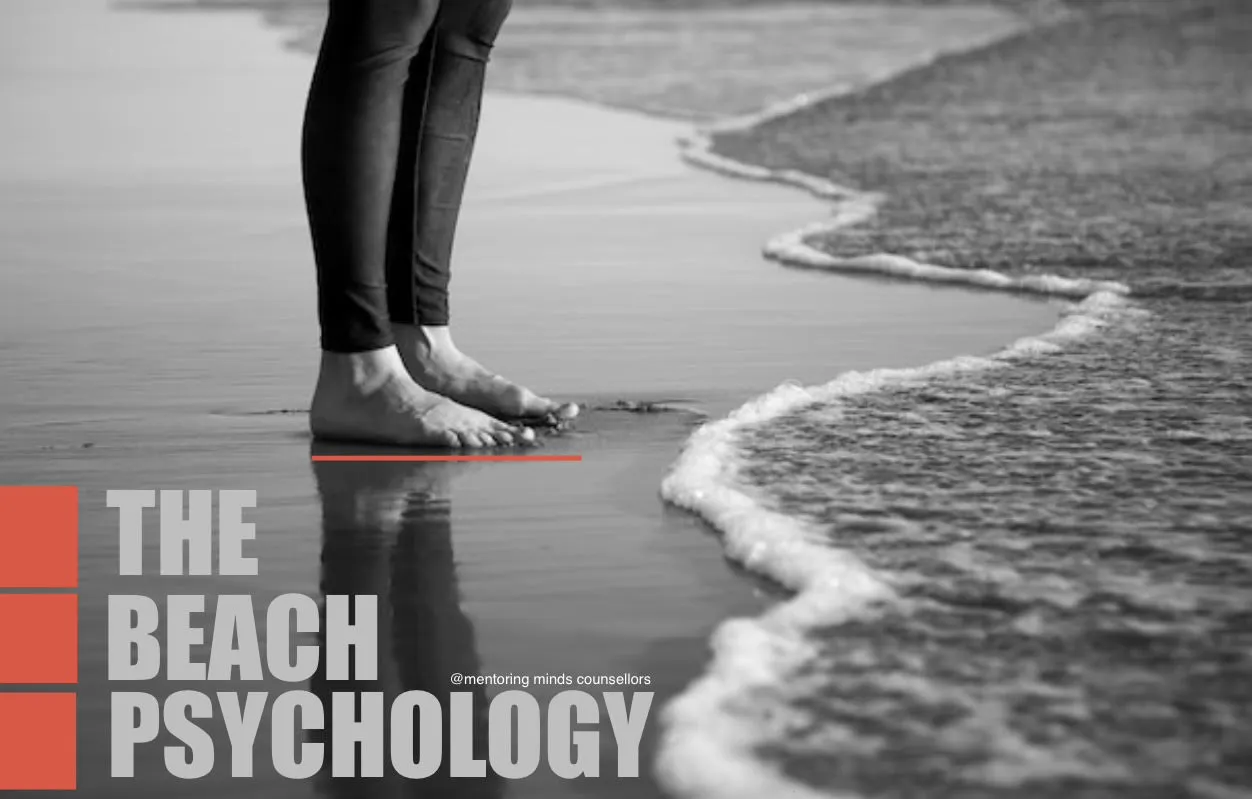
The Beach Magic. The sound of waves rolling in, the endless horizon, the feel of sand under your feet it all seems to slow life down in a way few places can. But this isn’t just poetic thinking. The true concept behind it is referred as Beach Psychology.
What is Beach Psychology?
Beach psychology explores how coastal environments affect our mental and emotional well-being. It’s rooted in the idea that natural settings especially water have a calming effect on the brain.
When you’re at the beach, subtle things does happen:
- The rhythmic sound of waves can reduce stress and anxiety
- Open spaces give your mind a sense of freedom and clarity
- Natural light boosts mood and energy levels
- The color blue (sky and sea) is linked to calmness and stability
It is sometimes also referred as “soft fascination” state where your mind is gently engaged but not overwhelmed. It’s why you can sit by the ocean for hours and feel like you’ve both rested and reflected deeply.
Why the Beach Feels Like Therapy?
Unlike crowded cities or structured environments, the beach doesn’t demand anything from you. There are no expectations, no urgency just presence.
That’s why people often:
- Think more clearly at the beach
- Feel emotionally lighter
- Experience bursts of creativity
- Gain perspective on personal problems
It’s almost like the mind finally has space to breathe.
Which Personality Types Drawn to the Beach?
While almost everyone enjoys a beach day, certain personality types are especially drawn to it and often return to it again and again.
1. The Reflective Thinkers
These are people who naturally lean toward introspection. They enjoy quiet moments and deep thoughts. The beach gives them a peaceful setting to process emotions, ideas, and life decisions.
2. The Creatives
Writers, artists, musicians, and dreamers often find inspiration by the ocean. The vastness, the movement, the unpredictability it sparks imagination in ways structured environments can’t.
3. The Overthinkers
For those who tend to get stuck in their heads, the beach acts as a reset button. The sensory experience waves, wind, salt air pulls them out of mental loops and into the present moment.
4. The Free Spirits
People who value freedom and spontaneity often feel at home near the ocean. There’s no rigid schedule, no walls just openness. It matches their inner need for flexibility and exploration.
5. The Emotionally Sensitive
Highly empathetic or emotionally aware individuals are often drawn to the soothing nature of water. The beach offers comfort without needing explanation just a quiet emotional release.
6. The Burnt-Out Professionals
People dealing with stress, pressure, or burnout often crave the beach without fully knowing why. It provides a natural form of recovery mentally and physically without requiring effort.
Why Some People Don’t Feel the Same?
Interestingly, not everyone connects deeply with the beach. Some people prefer mountains, forests, or urban environments. Personality, upbringing, and even past experiences shape how we respond to different settings.
For Instance:
- Highly energetic individuals might find beaches too slow or quiet
- People who dislike heat or crowds may feel uncomfortable
- Those who thrive on structure may feel restless in open environments
Final Thoughts
We at Mentoring Minds Counsellors understand that Beach psychology reminds us that our environment deeply affects how we think and feel. The ocean, with its rhythm and openness, offers something rare in modern life mental stillness.
For some, it’s just a vacation spot.
For others, it’s where clarity happens.
And maybe that’s the real magic of the beach it meets you exactly where you are, and gives you what you didn’t know you needed.
Leave a Comment